
Spine Cape Snaps After Teleport? Test the Physics Reset
Compare normal motion, a position jump and a reset at the destination to isolate a secondary-motion spike.
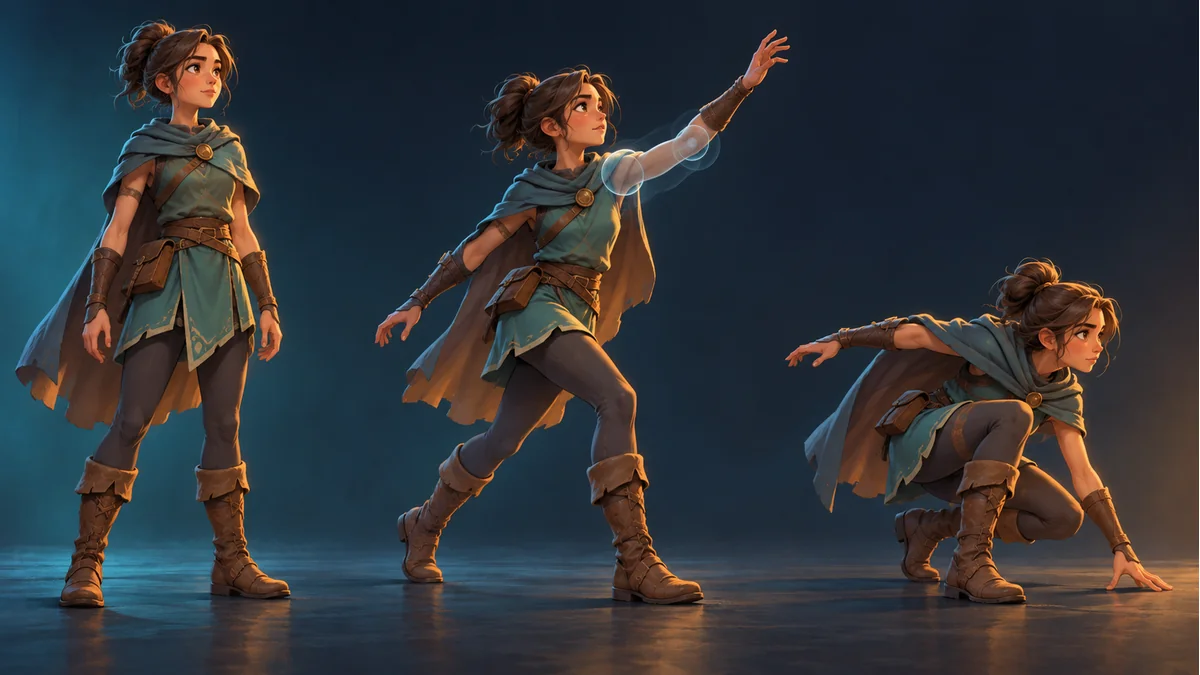
The character appears at the destination on the right frame, but the cape flies backward for a moment. Capture the root position and the cape bone side by side. A correct root with an incorrect secondary pose narrows the investigation before anyone changes the animation.
Run three passes to the same destination
The official Spine reference explains how constraints simulate secondary bone motion and how physics can be reset. Make a test copy with one representative constraint. Hold the animation, timing step and destination fixed. Compare continuous travel, a position jump, and the same jump followed by a reset at the stage your runtime specifies.
Inspect the frame before the jump, the first rendered frame at the destination, and the first few updates. A spike confined to the unreset jump points toward physics reacting to the discontinuity or carrying earlier state. When the root itself lands in the wrong place, use the related diagnostic guide first.
Keep ordinary motion in the test
Try another teleport while the cape is already moving, then take several normal steps after arrival. Scope a reset to the discontinuity your game defines, such as respawn or reuse from a pool. The desired result is a clean arrival followed by normal secondary motion during walking. A reset on every update would make that second behavior harder to evaluate.
Hand off observations with the asset
Record the runtime version, affected constraint, event time and first-frame root and cape transforms. The Spine Workbench can help review the look of compatible assets. Verify teleport behavior and update order inside the game that will ship.
Ready to try "Spine Cape Snaps After Teleport? Test the Physics Reset"?
Use our online tools to apply this tutorial to your indie game project right away.