
Reverse a Spine Animation Without Negative timeScale
Verify reverse playback in Spine 4.3 with three distinct poses and a separate gameplay check.
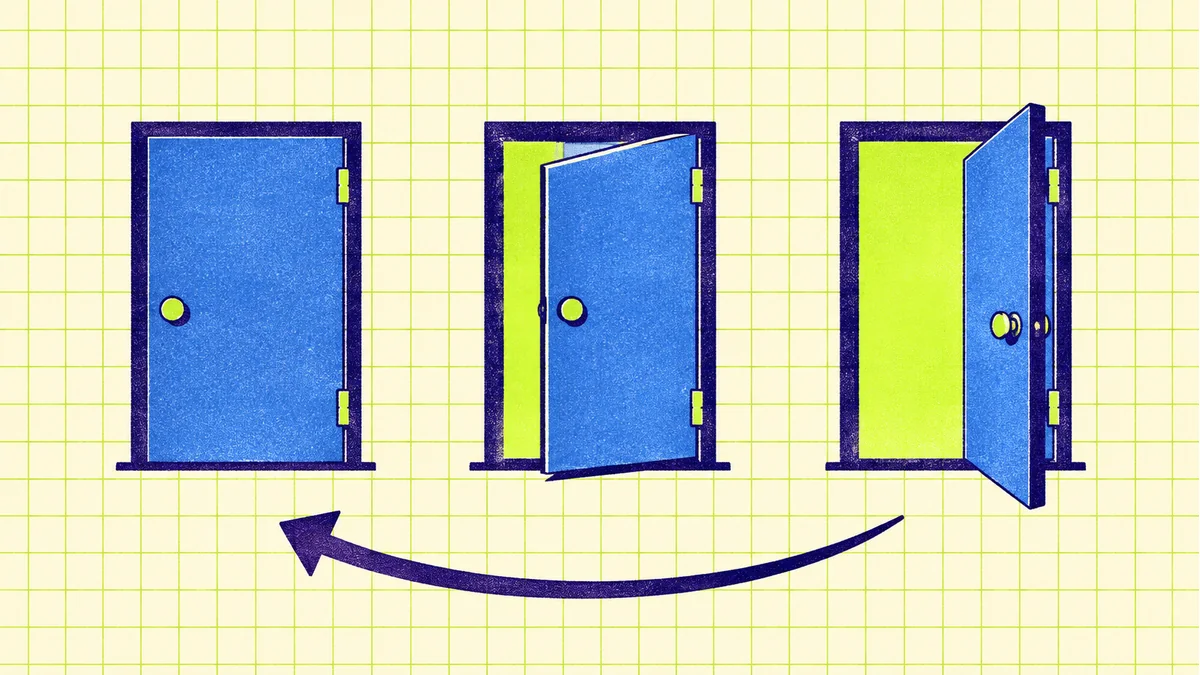
When a door-opening clip needs to play backward, start with a non-looping copy. The Spine 4.3 API exposes reverse on the track entry and does not support negative entry timeScale. Keep the playback multiplier positive while changing direction.
Make the frame order observable
Pick three recognizable poses near the beginning, middle and end. With mixing and looping disabled, capture forward playback. Create a fresh entry with reverse enabled, use the same positive rate and tick interval, and confirm that the three pose markers appear in the opposite order.
Check the door state separately
Record the callbacks that the shipped runtime actually emits. Compare the visual position with collision and sound state, including a second input that interrupts the reverse motion. Drive the door state explicitly where a visual reversal alone does not provide the required gameplay transition.
See the official reference and related diagnostic guide. Use Spine Workbench to review or prepare assets, then validate runtime behavior in your own project.
Capture both directions with the same door clip
Choose a non-looping clip such as an 0.8-second door opening. Identify a closed, halfway and fully open pose. Capture a forward run on a single track at a positive rate of 1 with a fixed update interval. Create a fresh entry for the reverse run and set reverse before its first update. Keep the clip bounds and rate fixed. Record the first visible pose, an intermediate pose and a pose near completion. Expect to see open, halfway and closed in that order.
If the first visible frame is already halfway through the clip, check how much time elapsed before the first application. If the direction is right but the tempo differs, inspect both rate multipliers and the mix duration. Restore your production idle track and blend settings for a second comparison to see how the transition affects the visible result.
Verify collision, sound and interruption independently
- Trigger reverse from the open state and verify when the doorway becomes blocked according to your game rule.
- Request an opening halfway through the reverse run. Record the active entry and verify that a callback from the old entry cannot close a door that has already reopened.
- Record the sound events in the shipped runtime. If timing matters to gameplay, define the state change and sound timing explicitly in the integration.
A separate closing clip can be easier to ship when opening and closing require different pauses, sound cues or collision timings. The reverse test tells you whether the same poses can be reused.
Ready to try "Reverse a Spine Animation Without Negative timeScale"?
Use our online tools to apply this tutorial to your indie game project right away.