
Old Spine Events After a Transition? Inspect the Mix-Out Threshold
A new pose does not identify which playback entry emitted a callback. Log the entry and mix-out configuration before changing handlers.
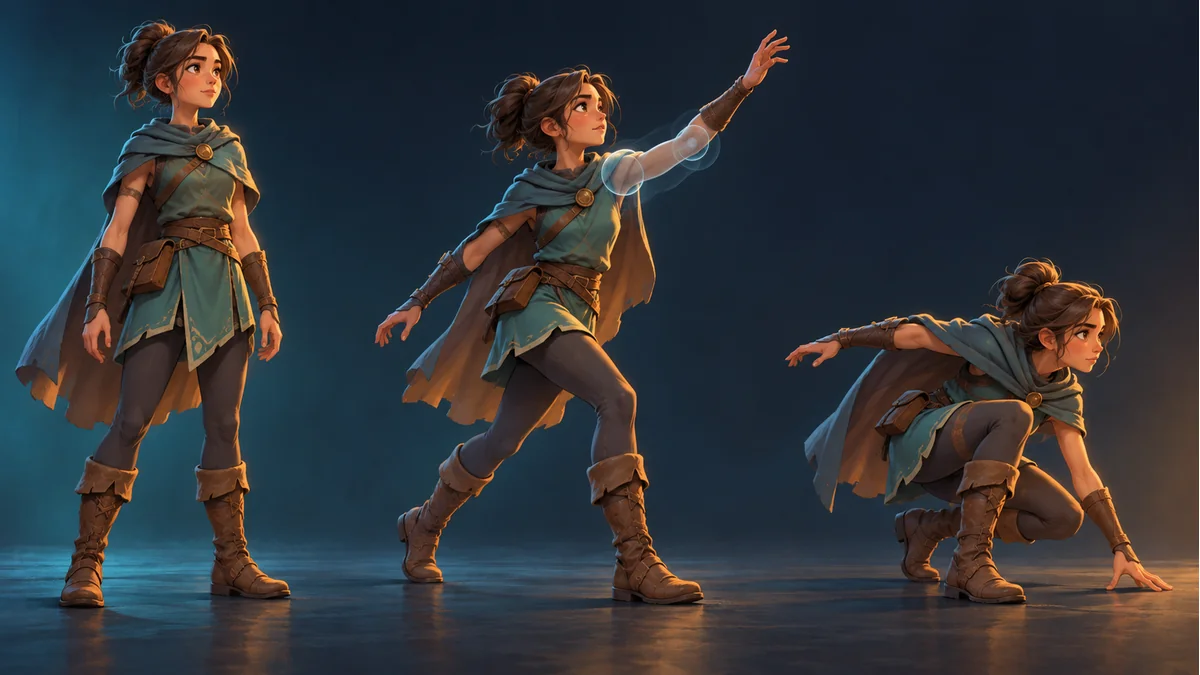
The next animation is visible, yet an old sound or notification seems to execute. First identify the playback entry that emitted it. A visual transition does not assign every subsequent callback to the incoming animation.
Outgoing user events have a mixing rule
The official Spine Unity events guide explains EventThreshold for user events during mix-out. At the default zero, old user events stop when the next animation starts. Its examples use 0.5 for stopping midway through the mix and one for continuing to its end.
These describe that documented mechanism, not universal repair values. Check the installed runtime, actual event type and configuration first; a custom playback system may follow another path.
Give every notification an owner
- Fix the export, animation pair, track and mix settings.
- Log the event name, emitting TrackEntry, animation and reception time.
- Distinguish the incoming entry from the outgoing entry and expected mix interval.
- Inspect subscription locations and business-handler counts for duplicate execution.
The guide also distinguishes state-wide subscriptions from subscriptions to one TrackEntry. Two application actions do not establish two events in an export. Compare emission, reception and handling separately.
User events are not completion callbacks
EventThreshold is not a master switch for every callback. For Complete or End, use the separate Complete versus End checklist rather than changing a user-event setting.
If the real value is already the default zero, inspect the actual object, other tracks and duplicate subscriptions before assuming that assigning zero again solves the issue.
Choose retention from the gameplay requirement
A footstep, a canceled attack and a non-repeatable application action may need different policies. The integrator should define cancellation and retention, then test transitions, interruption and replay in a controlled copy. Receiving a notification does not itself authorize damage or another business result.
Keep resources and animation details from Spine Workbench with its guide. Runtime subscriptions remain the consumer's responsibility. No engine event experiment was performed here, and identical named events are not promised in every template.
Ready to try "Old Spine Events After a Transition? Inspect the Mix-Out Threshold"?
Use our online tools to apply this tutorial to your indie game project right away.