
Why Game Sound Effects With the Same Peak Can Sound Uneven
Compare short and sustained effects at fixed gain, then check how each sits in the game mix.
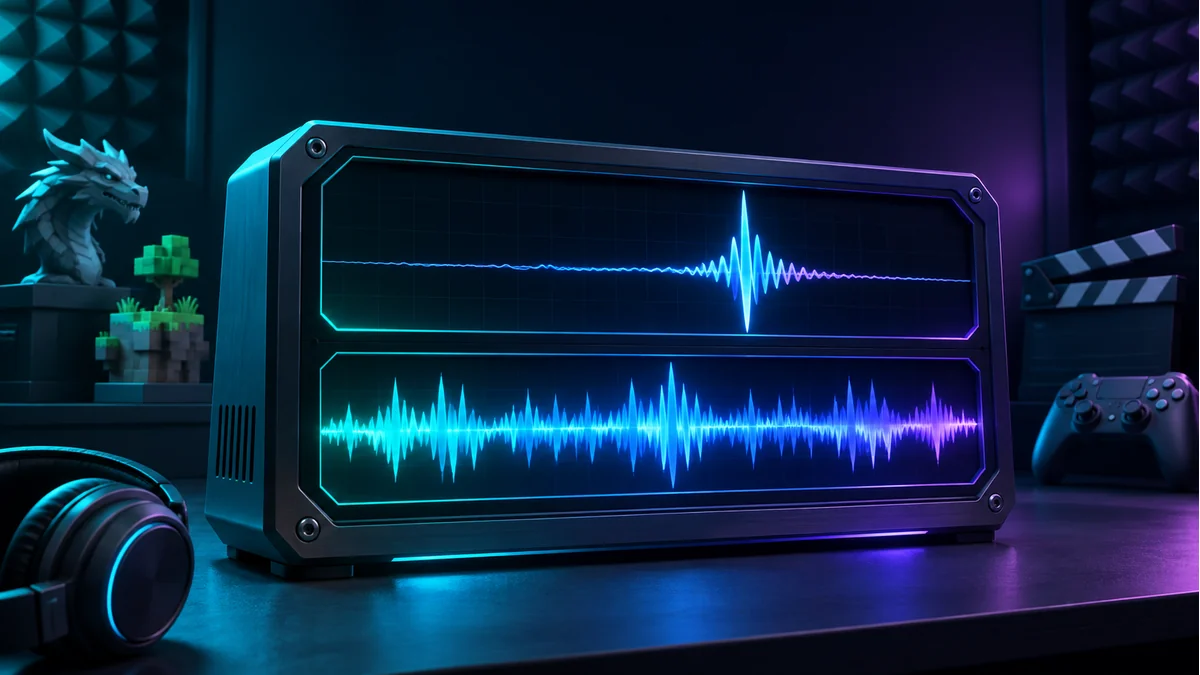
A button click and a reward sound can have the same sample peak while the reward still dominates. A peak describes one amplitude extreme. Duration, frequency content and the surrounding mix all affect the listening result.
Build a comparison with one playback path
Keep the source files. Take a short click and a longer reward tone, measure their sample peaks in the same meter, and match the peaks in working copies while leaving headroom. Play them through the same bus, device and volume setting. Bypass any automatic gain changes that would obscure the source comparison.
Listen in isolation and in context
- Swap the order and listen again. Note which sound draws attention and whether its tail masks the next cue.
- Bring back music and ambience, then trigger each effect at its actual gameplay cadence. Check whether the click remains clear and repeated rewards leave room for important cues.
- If both cues are clear but one is distracting, adjust its gain or shorten its tail. Change one variable at a time and listen again before accepting it.
Record the versions, meter, listening scene and final gain. If you compare averages as well, document the measurement window so a long silence after a short click does not skew the comparison.
Prepare a sample with the Tooliva tool and run the comparison in your target environment.
Recommended tools
AI Game SFX Generator: A Practical Guide for Indie Game Developers
Learn how an AI game SFX generator helps indie developers create fast, usable sound effects for UI, coins, weapons, magic, horror, retro games, and rapid prototypes.
AI SFX Generator vs Sound Library: Which Is Better for Game Audio?
Compare AI SFX generators and traditional sound libraries for indie game audio. Learn when to generate custom effects, when to use libraries, and how to combine both workflows.
Best Sound Effects to Create First for an Indie Game Prototype
A practical checklist of the most important game sound effects indie developers should create first, including UI clicks, pickups, hits, rewards, errors, transitions, and completion cues.
Ready to try "Why Game Sound Effects With the Same Peak Can Sound Uneven"?
Use our online tools to apply this tutorial to your indie game project right away.